
Collaboration and assertiveness are cornerstones of success in real estate. Effective communication, active listening, and open dialogue drive transactions. Balancing teamwork and individual initiative fosters innovation and adaptability, leading to faster closings, higher client retention, and better market navigation for both teams and individuals.
In the dynamic realm of Real Estate, effective communication and teamwork are key to achieving success. However, balancing assertiveness with collaboration presents a unique challenge for professionals. Assertiveness ensures clear representation of one’s interests, while collaboration fosters mutual respect and shared goals. The tension between these two approaches can impede progress, leading to miscommunication and missed opportunities. This article delves into practical strategies to navigate this delicate balance, providing valuable insights for Real Estate practitioners aiming to enhance their interactions and secure more fruitful partnerships.
Understanding Assertiveness in Real Estate Collaboration
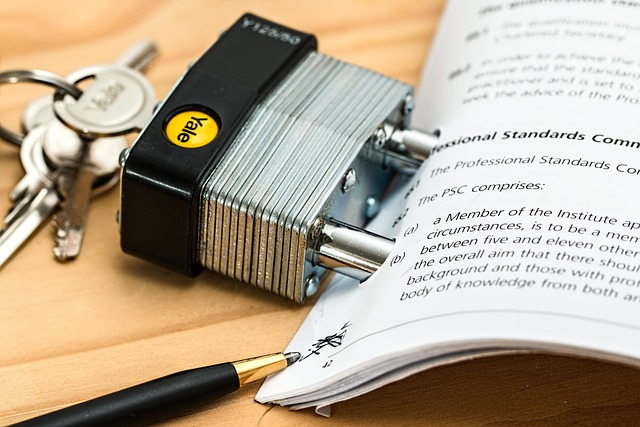
In the dynamic realm of real estate, collaboration is key to achieving successful transactions. However, navigating this landscape requires a delicate balance between assertiveness and cooperation—a fine art that distinguishes top performers from their peers. Assertiveness in this context means being clear, direct, and confident in voicing one’s needs, opinions, and boundaries while still respecting others’ perspectives. It fosters an environment where ideas are exchanged openly, and decisions are made fairly.
Real estate naturally lends itself to collaborative efforts due to its intricate nature—involving multiple stakeholders, from clients to agents, lawyers, and contractors. Each party brings unique expertise, and effective communication ensures everyone works towards common goals. For instance, a real estate agent must be assertive in negotiating terms with sellers while also listening attentively to buyers’ requirements. This balance allows them to mediate fairly, fostering trust and ensuring client satisfaction.
Practical insights into achieving this balance include setting clear objectives, active listening, and open dialogue. Agents should articulate their positions assertively but remain receptive to feedback. Using “I” statements and focusing on specific issues rather than personal attacks promotes a respectful tone. Data suggests that collaborative approaches in real estate lead to faster closing times and higher client retention rates. Therefore, embracing assertiveness within collaboration is not just a skill; it’s a strategy for success in this competitive field.
Fostering Effective Communication for Success

In the dynamic realm of Real Estate, where successful transactions hinge on intricate collaborations, fostering effective communication is paramount. Assertiveness and collaboration are not mutually exclusive; rather, they form a powerful synergy that drives deals to completion. An assertive approach ensures clear objectives and expectations, while collaboration fosters an environment conducive to creative problem-solving and mutual understanding. This delicate balance is essential for building strong relationships with clients, colleagues, and partners, ultimately leading to more successful outcomes.
Effective communication in Real Estate involves active listening, precise articulation of ideas, and open dialogue. Agents who actively listen to their clients’ needs and concerns demonstrate empathy and a genuine desire to find the perfect property. Similarly, clear and concise articulation ensures that all parties understand the terms, conditions, and potential challenges of a deal. For instance, using straightforward language during negotiations can prevent misunderstandings and foster trust, enhancing collaboration throughout the process. Moreover, fostering open dialogue encourages feedback and allows for adapting strategies based on evolving market dynamics or client preferences.
Practical insights from industry experts highlight the significance of non-verbal cues in communication. Maintaining eye contact, adopting an open posture, and using appropriate gestures can reinforce messages and build rapport. In a field where first impressions matter significantly, these subtle yet powerful tools can set the tone for productive collaborations. Data suggests that individuals who effectively use non-verbal communication are more likely to be perceived as trustworthy and competent, which is crucial in the high-stakes environment of Real Estate transactions. By integrating assertive communication styles with collaborative practices, professionals can navigate complex deals, build lasting relationships, and thrive in an increasingly competitive market.
Balancing Teamwork and Individual Initiative

In dynamic environments like real estate, where market conditions shift rapidly and opportunities are fleeting, balancing teamwork and individual initiative is paramount to success. While collaboration fosters innovation and ensures a shared understanding of goals, individual assertiveness drives progress and adapts to evolving demands. The challenge lies in striking this delicate equilibrium, leveraging the strengths of both approaches to propel teams forward.
Expert insights suggest that successful teams cultivate an environment where individuals feel empowered to take initiative while remaining deeply connected to the collective vision. This often involves establishing clear roles and responsibilities, fostering open communication channels, and promoting a culture of continuous learning. For instance, a real estate brokerage might delegate specific property listings to agents who excel in marketing, while encouraging them to innovate with virtual tours or unique selling propositions. Simultaneously, regular team meetings ensure everyone remains aligned with the overall sales strategy.
Practical advice includes setting measurable goals that encourage both collaboration and individual performance. Recognizing and rewarding achievements that stem from both collective efforts and personal initiative can significantly boost morale and productivity. Additionally, providing mentorship opportunities allows experienced professionals to guide newcomers, fostering a collaborative atmosphere while also nurturing individual growth. By harmoniously integrating these approaches, real estate teams can navigate complex markets with agility and finesse, ultimately securing better outcomes for clients.
