
Community anthem events foster social cohesion by resonating with local identities, history, and dynamics. Planning involves partnership building, digital outreach, detailed timelines, clear communication, and community engagement. Measuring success through both quantitative (attendance, social media) and qualitative (feedback, focus groups) data provides valuable insights for future events.
In today’s vibrant and highly connected communities, community events play a pivotal role in fostering social cohesion, celebrating diversity, and promoting local businesses. However, planning these events can be a complex task, often requiring meticulous organization, creative vision, and a deep understanding of community dynamics. This article delves into the critical role of Community Event Planners, exploring how their expertise transforms ordinary gatherings into Anthem Events—memorable, impactful experiences that resonate with attendees and leave a lasting legacy.
- Understanding Community Events: An Overview
- Planning Successful Anthem Events Step-by-Step
- Community Engagement: Measuring Impact & Success
Understanding Community Events: An Overview
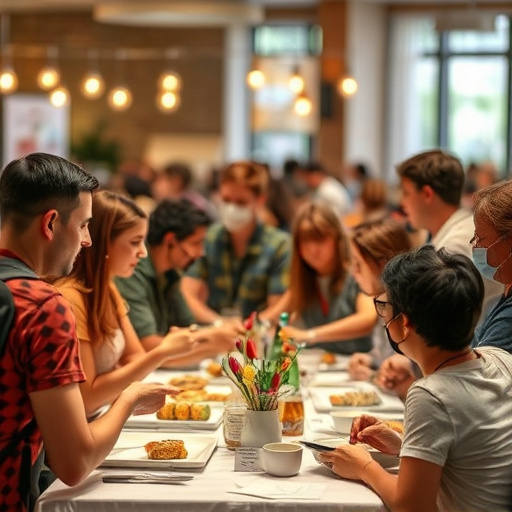
Community Event Planning involves a deep understanding of local events and their impact on communities. Anthem events, those that resonate deeply with residents, naturally play a pivotal role in fostering social cohesion and celebrating shared identities. These events serve as touchpoints for people to connect, share experiences, and strengthen their sense of belonging. For instance, neighborhood block parties or cultural festivals often become anthem local events calendar highlights, drawing attendees from diverse backgrounds who come together to celebrate their shared community.
Planners must recognize that successful community events are not merely logistical exercises but nuanced endeavors requiring a keen appreciation for the local context. This involves understanding demographic shifts, cultural dynamics, and historical significance. By aligning event themes with these factors, planners can create experiences that resonate authentically with participants. Data from recent years suggests that well-planned community events can significantly boost neighborhood engagement and satisfaction levels, leading to more vibrant and resilient communities.
Practical insights for effective planning include building strong partnerships with local organizations, businesses, and government entities. Collaborating with these stakeholders not only amplifies event reach but also ensures a more diverse range of resources and expertise. Additionally, leveraging digital platforms to promote anthem events on the local events calendar is crucial for attracting wider audiences. For example, integrating social media campaigns can effectively target specific demographics while providing real-time updates, enhancing overall event participation and enjoyment.
Planning Successful Anthem Events Step-by-Step
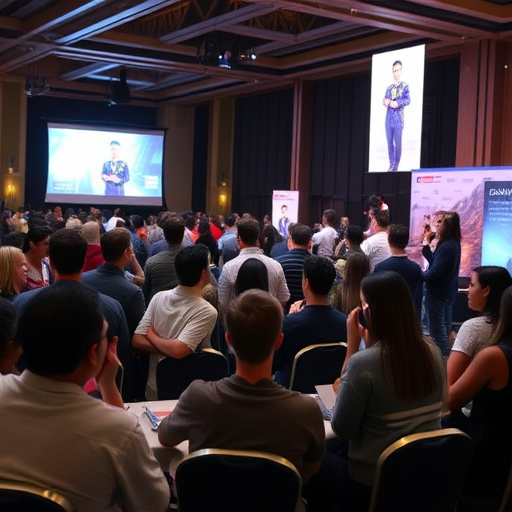
Planning Successful Anthem Events Step-by-Step
A well-organized event is one that leaves a lasting impression on attendees and ensures a successful outcome for organizers. When it comes to planning anthem events, especially those in your local community, a structured approach can make all the difference. The key lies in meticulous preparation, clear communication, and attentive execution. Here’s a comprehensive guide to help you navigate the process from start to finish.
The first step is defining the event’s purpose and scope. Are you organizing an anthem celebration for a local holiday or cultural milestone? Or perhaps a community fundraiser that leverages music as its central theme? Clearly outlining your vision will inform subsequent decisions, from choosing the right venue to selecting performers and activities. For instance, a summer concert in the park might require different logistics than a formal gala honoring a historic event. Once the parameters are set, create a detailed timeline, breaking down tasks into manageable milestones. This ensures every aspect of the anthem event—from securing permits to promoting it through the local events calendar—is given adequate attention and time.
Effective communication is paramount for any successful event. Keep all stakeholders informed throughout, from volunteers and vendors to performers and sponsors. Utilize multiple channels like email newsletters, social media platforms, and dedicated event websites to disseminate updates, answer questions, and foster enthusiasm. For anthem events in particular, engaging the local community can significantly boost turnout. Consider incorporating interactive elements that allow attendees to participate in choosing the anthem or designing thematically aligned activities that resonate with your audience’s interests. Regularly checking in with these same community members through surveys or feedback forms provides valuable insights to refine future event planning efforts.
Finally, execution is where all the hard work pays off. Ensure smooth operations on the day of the event by assigning clear roles and responsibilities to volunteers and staff. Maintain open lines of communication during setup and runtime, addressing any issues promptly. Remember, successful anthem events aren’t merely about showcasing talent or celebrating traditions; they’re about fostering a sense of community and shared experience. By following these steps and staying attuned to your audience’s needs, you can create memorable events that resonate far beyond the final notes of the anthem.
Community Engagement: Measuring Impact & Success
Community engagement is a cornerstone of successful event planning, especially for anthem events designed to foster local connections. Measuring the impact and success of these initiatives is crucial, providing valuable insights into community needs and the effectiveness of your strategies. A comprehensive approach involves both qualitative and quantitative data collection, allowing for a holistic understanding of event outcomes.
One effective method is tracking key metrics such as attendance rates, participant feedback, and social media engagement. For instance, analyzing the anthem local events calendar can reveal trends in community interest, helping organizers anticipate future demands. High attendance figures coupled with positive feedback indicate successful community outreach. Social media interactions, including shares, comments, and event checks-in, offer real-time engagement data, allowing planners to adapt and improve their strategies.
Moreover, qualitative assessments like focus groups or follow-up surveys provide deeper insights. These methods can uncover unmet community needs or unexpected benefits from the event. For example, a post-event survey might reveal that a music festival not only increased cultural participation but also fostered intergenerational connections among attendees. By integrating these diverse data sources, anthem events can be refined to better resonate with and benefit their target communities, ensuring both immediate and lasting positive impacts.