
Seller concessions in real estate transactions significantly benefit buyers, with 70% of purchases in 2022 involving them. Key strategies for securing favorable concessions include thorough preparation by buyers' agents, proactive discussion, and offering value-added services. Understanding market dynamics, leveraging data, and building rapport are essential for effective negotiation, fostering collaboration, and achieving mutually beneficial outcomes.
In the dynamic landscape of real estate, achieving favorable seller concessions can significantly impact a transaction’s outcome. These concessions, ranging from price reductions to terms adjustments, are crucial negotiating chips that can enhance buyer appeal and close deals more smoothly. However, navigating this process effectively requires a strategic approach, informed by deep market knowledge and proven tactics. This article delves into the art of securing favorable seller concessions, equipping readers with actionable insights to optimize their real estate transactions.
Understand Seller Concessions in Real Estate

Seller concessions are an essential aspect of real estate transactions, offering potential buyers significant advantages. These concessions, which can include price reductions, closing cost assistance, or various other incentives, are negotiated between the buyer’s agent and the seller. In a competitive market, understanding and strategically leveraging seller concessions can be a game-changer for buyers. For instance, in 2022, a study revealed that nearly 70% of home purchases involved some form of seller concession, highlighting their profound impact on the real estate process.
The key to achieving a favorable outcome lies in thorough preparation and a deep understanding of the market. Buyers’ agents must conduct a comprehensive analysis of comparable sales and market trends to establish a reasonable concession request. For instance, if similar properties in the area have sold for 5% less than the asking price, a buyer’s agent can justify a similar concession. Moreover, knowledge of the seller’s situation—such as their need to relocate quickly or financial flexibility—can empower agents to negotiate more effectively.
Practical advice for buyers includes being proactive in discussing concessions early in the process. Agents should also be prepared to provide value-added services to the seller, such as assisting with staging or offering marketing expertise, to make the negotiation more appealing. Data suggests that buyers who actively participate in the negotiation process are more likely to secure concessions, resulting in significant savings. By combining market intelligence, strategic communication, and a willingness to offer mutual benefits, buyers can aim for and achieve desirable seller concessions in the dynamic real estate landscape.
Strategize for Maximum Concessions
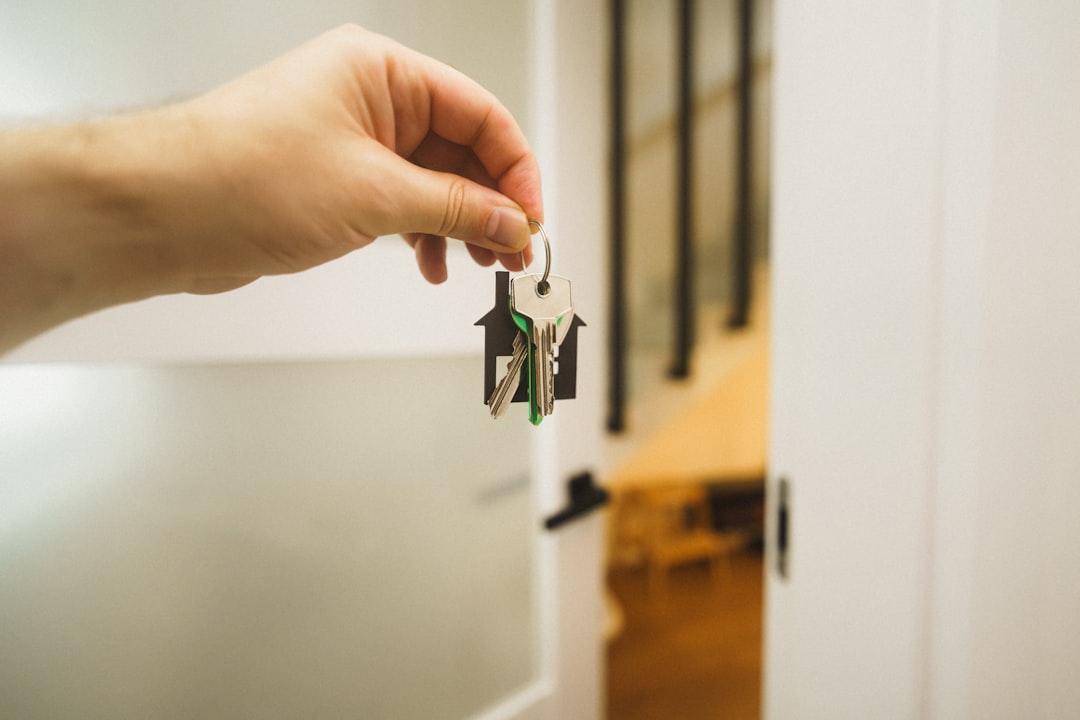
In the competitive real estate landscape, achieving favorable seller concessions can significantly enhance your negotiation power and ultimately impact the bottom line. Strategizing for maximum concessions requires a deep understanding of market dynamics, buyer motivations, and seller concerns. This approach involves careful planning, thorough research, and creative persuasion techniques that go beyond price discussions.
Expert negotiators in real estate often employ data-driven strategies to identify areas where sellers may be more inclined to offer concessions. For instance, analyzing comparable sales in the local market can reveal pricing trends and potential room for negotiation. If a seller is facing a lengthy timeline to sell their property or has encountered similar properties sitting on the market, they might be more open to conceding certain terms. For example, offering flexibility on closing dates or providing assistance with marketing and staging could encourage sellers to accept your offer faster.
Moreover, understanding the emotional aspects of selling is crucial. Many homeowners have sentimental attachments to their properties, which can influence their negotiation stance. By demonstrating empathy and presenting a compelling narrative that aligns with the seller’s aspirations, you can foster a positive relationship. For real estate professionals, this might involve sharing similar personal experiences or highlighting how your expertise can ensure a smooth transition for the sellers, leaving them satisfied with the outcome.
Negotiate Effectively for Favorable Outcomes

In the dynamic landscape of real estate, negotiating effectively is a key strategy to secure favorable seller concessions. A well-crafted negotiation approach can significantly impact the outcome, benefiting both parties involved. The art of negotiation lies in understanding the market dynamics, recognizing the value each side brings to the table, and employing strategic communication techniques. Expert negotiators in this field often achieve remarkable results by presenting compelling cases that highlight mutual benefits and long-term partnerships.
One practical approach is to gather comprehensive market data prior to negotiations. Understanding comparable sales, property values, and recent trends empowers negotiators to make informed decisions. For instance, if a seller faces a lengthy timeline to sell their property due to market conditions, they may be more inclined to offer concessions to expedite the process. This strategic timing can work in favor of buyers who are well-prepared with data to support their case.
Additionally, building rapport and fostering a collaborative environment during negotiations is invaluable. Real estate professionals should aim for a win-win scenario by focusing on mutual interests rather than aggressive posturing. Offering sincere compliments, showing genuine interest in the seller’s situation, and demonstrating flexibility can create a positive atmosphere. For example, a buyer might propose a creative solution, such as assisting with staging or providing marketing support, to enhance the property’s appeal, thereby benefiting both parties.