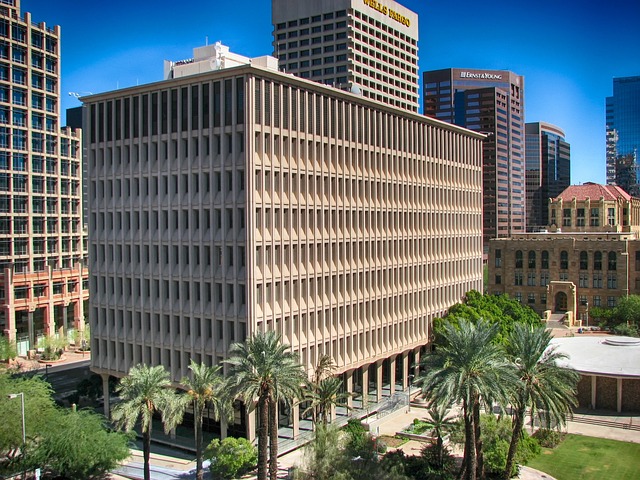
Real Estate naturally drives urban development, offering businesses opportunities through smart city initiatives, adaptive reuse, and mixed-use developments. To capitalize, businesses should stay informed, collaborate with developers, adopt flexible work arrangements, and strategically locate facilities. Sustainable practices are essential for responsible growth, addressing environmental impact, and attracting eco-conscious consumers. Location intelligence and innovative designs, like vertical farming, foster competitive advantages in a rapidly evolving urban landscape.
In today’s dynamic economic landscape, business growth and rapid urban development are interconnected forces shaping the world we live in. As metropolises expand, the demand for strategic real estate solutions becomes increasingly vital. This article delves into the intricate relationship between these two phenomena, exploring how businesses can thrive amidst urban transformation. We will dissect the challenges posed by swift urbanization, such as resource scarcity and infrastructure strain, while offering insights into sustainable strategies that drive both business expansion and urban renewal. By examining case studies and leveraging expert knowledge, this piece aims to provide actionable guidance for navigating this complex yet promising environment.
Unlocking Potential: Rapid Urban Growth Strategies

Rapid urban development presents both opportunities and challenges for businesses aiming to thrive in today’s dynamic marketplace. As cities expand at an unprecedented pace, unlocking the potential of this growth is crucial for organizations seeking a competitive edge. One sector that naturally emerges as a driver of this progress is real estate, with strategic investments in commercial and residential properties standing as key enablers of economic growth. The interplay between urban expansion and real estate development creates a symbiotic relationship where well-planned infrastructure attracts businesses, fosters innovation, and stimulates local economies.
Cities around the globe are adopting innovative strategies to harness this growth momentum. Smart city initiatives, for instance, leverage technology to optimize resource management, enhance connectivity, and improve overall quality of life. These technologies not only streamline urban operations but also attract forward-thinking businesses that prioritize sustainable and efficient practices. Real estate developers play a pivotal role in this transformation by designing and constructing spaces that cater to the evolving needs of enterprises and residents alike. Adaptive reuse of historic buildings, mixed-use developments, and green spaces are gaining traction as sustainable and aesthetically pleasing alternatives to traditional urban sprawl.
Practical insights for businesses looking to capitalize on rapid urban growth include staying informed about local development plans, collaborating with developers to shape future projects, and adapting operational models to accommodate changing demographics. For example, companies can strategically locate their facilities near transportation hubs or emerging tech hubs to reduce commute times and attract top talent. Additionally, embracing flexible work arrangements and designing inclusive spaces that cater to diverse needs can enhance employee satisfaction and productivity. Ultimately, businesses that seamlessly integrate with the evolving urban landscape stand to benefit from increased accessibility, enhanced brand visibility, and a vibrant ecosystem of like-minded organizations.
Real Estate's Role in Sustaining Metropolitan Evolution

Real estate naturally plays a pivotal role in sustaining metropolitan evolution, as cities expand and grow at an unprecedented pace. The demand for housing, commercial spaces, and infrastructure drives urban development, with real estate at the heart of this transformation. According to a recent global study, urban areas are expected to house over 70% of the world’s population by 2050, exacerbating the need for strategic land use and efficient real estate management. Cities like Singapore and Tokyo serve as exemplary models, where robust real estate policies have facilitated compact, mixed-use developments that enhance livability and sustainability.
One key aspect of real estate’s role is its ability to catalyze economic growth. High-rise office buildings and modern retail spaces attract businesses, fostering innovation and creating employment opportunities. For instance, the Silicon Valley in California is not only renowned for its tech giants but also for its robust real estate market that has supported the region’s status as a global hub for entrepreneurship and technological advancement. Similarly, in India, cities like Bangalore and Mumbai have seen significant real estate development aligned with economic zones, contributing to their emergence as financial and technology centers.
However, navigating rapid urban development presents challenges such as traffic congestion, environmental impact, and social inequality. Real estate developers and urban planners must adopt sustainable practices to mitigate these issues. Implementing green building standards, promoting smart cities initiatives, and integrating public transportation infrastructure are essential strategies. For example, the city of Amsterdam has successfully incorporated cycling paths and public green spaces into its urban fabric, reducing traffic congestion and improving quality of life. Developers in emerging markets can learn from such examples, incorporating sustainable design principles into their projects to create more livable and resilient cities.
Actionable advice for real estate professionals includes staying informed about regulatory changes and market trends, fostering partnerships with urban planners, and prioritizing sustainable development practices. By embracing these strategies, the real estate industry can continue to drive metropolitan evolution while ensuring that growth is inclusive, environmentally responsible, and economically viable for all stakeholders.
Navigating Challenges for Sustainable Business Expansion

Rapid urban development presents both opportunities and challenges for businesses aiming for sustainable growth. As metropolises expand, so does their demand for infrastructure, resources, and skilled labor—creating a fertile ground for entrepreneurial ventures. However, navigating this landscape can be daunting. The real estate sector, naturally, plays a pivotal role in this dynamic environment. For instance, the surge in smart city initiatives worldwide necessitates innovative commercial spaces that cater to digital nomads and tech startups. This trend underscores the importance of adapting to evolving market demands, especially in densely populated areas.
One of the primary challenges businesses face is keeping up with infrastructure development. Rapid urbanization often outpaces physical growth, leading to congested transportation networks and limited access to essential services. For instance, a recent study by the Urban Land Institute revealed that urban expansion in major markets has lagged behind population growth, causing strain on existing resources. To mitigate these issues, businesses must actively engage in location intelligence—using data-driven insights to identify areas with robust infrastructure potential. Investing in real estate within developing urban corridors can offer strategic advantages, ensuring accessibility and visibility for expanding operations.
Moreover, sustainable practices are no longer optional but essential for long-term business survival. Environmental regulations and consumer awareness drive the need for eco-friendly strategies, from energy-efficient office spaces to green supply chains. Real estate developers and businesses can collaborate to create environmentally conscious hubs, incorporating renewable energy sources and sustainable design principles. For example, some cities are adopting vertical farming techniques to reduce food miles and promote local agriculture within urban limits. Embracing such innovations not only addresses regulatory concerns but also attracts like-minded consumers and talent, fostering a competitive advantage.