
Understanding urban growth dynamics is crucial for business success. Key trends include urban center expansion, suburban sprawl, and demographic shifts. Businesses should adapt by: monitoring regulatory changes, partnering with urban planners, embracing technology, and tailoring products to urban populations. Strategic real estate planning involves location intelligence, sustainable solutions (like modular construction and green buildings), mixed-use developments, community engagement, and collaborative design. This ensures prime real estate acquisition while promoting urban sustainability and well-being.
In an era defined by rapid urban expansion and evolving business landscapes, understanding the symbiotic relationship between business growth and real estate development is paramount for stakeholders across industries. As cities transform, businesses must adapt, seeking optimal locations to thrive. This dynamic interplay presents both challenges and opportunities, particularly in navigating the complexities of sustainable urban planning. By exploring effective strategies, this article offers valuable insights into how businesses can align with robust real estate developments, fostering growth while contributing to thriving metropolitan areas.
Understanding Urban Growth Dynamics

Understanding urban growth dynamics is crucial for businesses aiming to thrive in a rapidly changing landscape. Cities worldwide are experiencing unprecedented expansion, driven by factors such as urbanization trends, economic development, and technological advancements. This dynamic environment presents both opportunities and challenges for enterprises seeking growth. For instance, thriving metropolitan areas often become hubs of innovation, attracting talent and fueling entrepreneurial activity, particularly in sectors like technology and real estate.
Urban growth can be characterized by several key trends. First, there’s the expansion of urban centers, leading to increased demand for commercial and residential properties. This trend is evident in megacities worldwide, where high-rise buildings and mixed-use developments are reshaping skylines. For businesses, this translates into opportunities for real estate development, co-working spaces, and urban retail concepts tailored to dense populations. Second, urbanization often follows a “sprawl” pattern, resulting in low-density growth on the city’s outskirts. This dynamic requires strategic planning for infrastructure development and efficient transportation networks to connect suburban areas to urban centers.
Expert insights suggest that businesses should adapt their strategies to navigate these dynamics effectively. Staying abreast of local regulatory changes related to land use and real estate is essential, as are partnerships with urban planners to ensure sustainable growth. Embracing technology, such as smart city initiatives, can enhance operational efficiency and customer experiences. For instance, property management software integrated with Internet of Things (IoT) devices can optimize energy consumption in commercial buildings. Additionally, understanding demographic shifts within urban populations allows businesses to tailor their products and services accordingly, ensuring long-term viability in these rapidly evolving markets.
Real Estate Strategies for Rapid Expansion
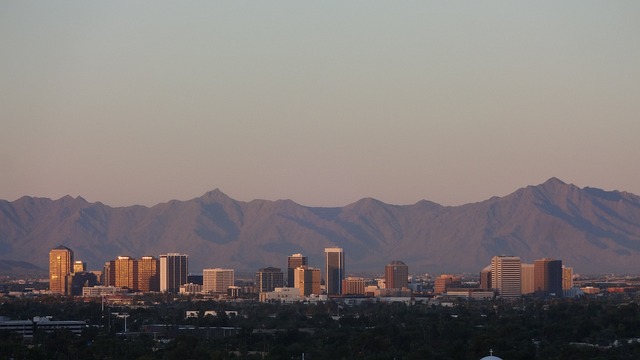
Rapid urban expansion presents both challenges and opportunities for businesses looking to grow. As cities sprawl, real estate becomes a strategic asset, directly influencing a company’s ability to thrive in this dynamic environment. Effective real estate strategies are essential for navigating the complexities of rapid development, ensuring businesses stay competitive and accessible. The key lies in adapting to changing market demands, leveraging emerging trends, and adopting innovative approaches to space utilization.
One of the most significant considerations is location intelligence. In densely populated areas, prime commercial real estate can be scarce and expensive. Businesses must employ data-driven analysis to identify up-and-coming neighborhoods or underutilized zones with high growth potential. For instance, a tech startup might find affordable and vibrant spaces in newly developed suburbs, offering cost savings while attracting talent from diverse communities. Similarly, retail brands should scrutinize consumer demographics and mobility patterns to establish strategic outlets that cater to emerging market segments.
Sustainable and flexible real estate solutions are gaining traction due to their long-term viability. Modular construction and mixed-use developments cater to the evolving needs of businesses, providing scalable spaces that can adapt to growth or shifting market trends. Green buildings with energy-efficient designs also offer cost savings over time and appeal to environmentally conscious tenants. For example, a logistics company might invest in a vertical distribution center, maximizing space efficiency and reducing carbon footprint. By embracing these strategies, businesses not only secure prime real estate but also contribute to the urban landscape’s overall sustainability.
Balancing Development with Community Impact

As cities around the world experience rapid urban development, business growth, and real estate expansion, balancing these advancements with the well-being of existing communities has become a paramount concern. The synergy between economic progress and community impact is a delicate act that requires strategic planning and thoughtful execution. This equilibrium is essential to ensure that urban transformation benefits all stakeholders, from residents to local businesses and future generations. For instance, a study by the Urban Land Institute revealed that successful mixed-use developments, integrating residential, commercial, and recreational spaces, have led to revitalized communities with improved social cohesion.
Real estate plays a pivotal role in facilitating this balance. Developers and investors have a unique opportunity to shape urban landscapes by embracing sustainable practices and inclusive design principles. One practical approach is to incorporate green spaces and community amenities within development projects. For example, the creation of urban parks, community gardens, and public art installations not only enhances the aesthetic appeal but also provides residents with much-needed recreational areas, fostering a sense of belonging and social interaction. Additionally, integrating affordable housing options within high-end developments can mitigate gentrification pressures, ensuring that diverse income levels are represented in the evolving urban fabric.
Experts emphasize the significance of community engagement throughout the development process. By actively involving residents, local businesses, and community leaders, developers can gain valuable insights into the unique needs and aspirations of the area. This collaborative approach allows for more meaningful design decisions, such as determining the most suitable amenities, transportation options, and public infrastructure to benefit the entire neighborhood. For instance, a successful real estate project in a densely populated urban center involved extensive consultations with local stakeholders, resulting in a mixed-use development that seamlessly blended residential towers, retail spaces, and a revitalized public market, effectively revitalizing the area while preserving its cultural heritage.