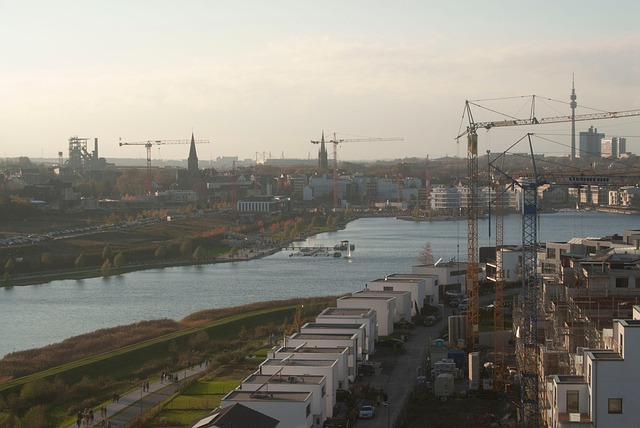
Rapid urban development presents significant business opportunities through diverse customer bases, increased market access, and innovation. Real estate naturally drives this growth by catering to residential, commercial, and industrial demands. Strategic planning, smart development, technology integration, and sustainable practices are key to unlocking potential. To capitalize on urban growth, businesses should foster partnerships, collaborate on innovative solutions, stay informed, and embrace adaptability. Real estate developers must adapt to regulatory changes, embrace sustainability, and cater to evolving preferences for smart homes and shared workspaces. Sustainable development models from cities like Copenhagen and Vancouver emphasize green spaces, renewable energy, and efficient transport. Redeveloping brownfield sites offers opportunities for inclusive growth while maintaining environmental integrity.
In today’s dynamic business landscape, rapid urban development poses both opportunities and challenges for sustainable growth. The intricate relationship between real estate and economic vitality demands meticulous attention to ensure thriving metropolitan areas. This article delves into the strategic navigation of business expansion amidst urban transformation. We explore how dynamic cities can harness their evolving landscapes to foster entrepreneurship while managing the complexities inherent in bustling, ever-changing environments. Through a comprehensive approach, we unveil solutions to maximize the potential of both businesses and communities alike.
Unlocking Potential: Rapid Urban Growth Strategies

Rapid urban development presents a double-edged sword for businesses—it offers immense growth potential but also poses complex challenges. Cities are becoming hubs of economic activity, attracting talent and capital with their expanding infrastructures and vibrant landscapes. For businesses, this translates into a diverse customer base, increased market access, and opportunities for innovation. However, navigating this dynamic environment requires strategic acumen to unlock the full potential embedded in urban growth.
Real estate naturally plays a pivotal role in this context. Cities that excel in spatial planning and smart development can capitalize on rising demand for residential, commercial, and industrial spaces. For instance, cities like Singapore have implemented meticulous master plans, ensuring efficient land use and fostering an environment conducive to business expansion. By leveraging technology, such as data-driven urban analytics, developers and investors can make informed decisions about emerging trends in property preferences and pricing dynamics. This strategic approach enables businesses to establish a strong foothold in rapidly growing urban centers.
Moreover, embracing sustainable development practices is essential for long-term success. Eco-friendly buildings, green spaces, and efficient transportation systems not only enhance the quality of life but also attract environmentally conscious businesses and talent. For example, cities like Copenhagen have prioritized cycling infrastructure and renewable energy sources, positioning themselves as attractive destinations for tech startups prioritizing sustainability. Businesses that integrate sustainable practices into their operations can differentiate themselves, gain a competitive edge, and contribute to building resilient urban communities.
To capitalize on rapid urban growth, businesses should foster strategic partnerships with local authorities and real estate developers. Collaborative initiatives can lead to innovative solutions addressing housing shortages, traffic congestion, and environmental concerns. By staying informed about policy changes and market trends, businesses can position themselves to benefit from emerging opportunities. Ultimately, embracing the dynamics of urban growth requires adaptability, forward-thinking, and a commitment to sustainable practices—all factors that contribute to business resilience and long-term success in the ever-changing urban landscape.
Real Estate's Role: Driving Metropolitan Expansion

Real estate plays a pivotal role in driving rapid urban development and metropolitan expansion. As cities grow, the demand for residential, commercial, and industrial spaces increases exponentially. Expert insights suggest that over 50% of global population growth is expected to occur in urban areas by 2030, according to UN data. This surge in urbanization presents a significant opportunity for real estate developers and investors. For instance, the thriving tech hub of Silicon Valley in California has seen massive investments in commercial real estate, attracting top talent and fostering innovation.
The natural evolution of cities involves expansion into previously undeveloped areas. Real estate developments have been instrumental in transforming these marginal lands into vibrant neighborhoods. Smart urban planning integrates green spaces and sustainable design principles within these developments, enhancing the quality of life for residents. A notable example is the reclaiming of former industrial sites along riversides, which have been converted into mixed-use districts featuring residential lofts, cultural hubs, and recreational facilities. This process not only revitalizes areas but also stimulates local economies.
Real estate’s influence extends beyond physical structures; it shapes urban landscapes and social dynamics. Well-planned real estate projects can foster community engagement and cultural exchange by creating diverse, inclusive spaces. For instance, mixed-income housing developments promote social integration and economic mobility. Additionally, the strategic placement of commercial hubs can drive local economies and create employment opportunities. To capitalize on these trends, developers must stay abreast of regulatory changes, embrace sustainable practices, and adapt to evolving consumer preferences for smart homes and shared workspaces.
Sustainable Development: Balancing Business and Cities
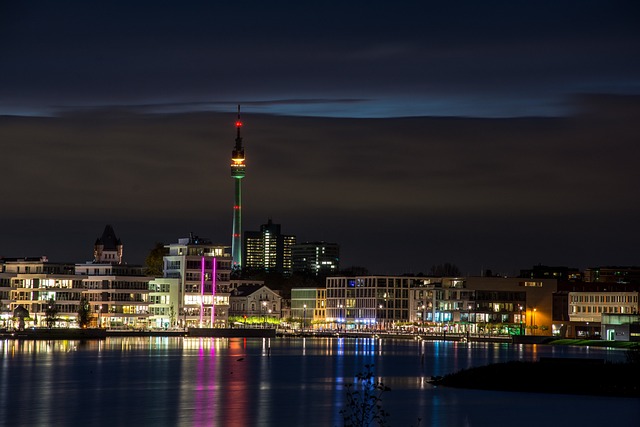
Sustainable development is a critical aspect of business growth and rapid urban development, particularly in the real estate sector. As cities expand to accommodate growing populations, it’s essential to balance economic progress with environmental stewardship and social equity. The challenge lies in creating vibrant, sustainable metropolises that support businesses while preserving resources for future generations. For instance, cities like Copenhagen and Vancouver have pioneered eco-friendly urban planning, integrating green spaces, renewable energy sources, and efficient transportation systems into their built environments.
One practical approach is to integrate smart city technologies into real estate development. This includes implementing energy-efficient building designs, utilizing sustainable materials, and installing smart grids that optimize energy consumption. Additionally, promoting mixed-use developments that combine residential, commercial, and recreational spaces can reduce urban sprawl and encourage walkability, thereby lowering carbon emissions from transportation. Real estate developers have a significant role to play in this regard, as they can adopt circular economy principles by designing buildings that are easily adaptable, recyclable, or repurposable at the end of their useful life.
Moreover, collaboration between stakeholders—including government bodies, businesses, and community organizations—is vital for achieving sustainable development goals. Public-private partnerships can drive investments in green infrastructure, while community engagement ensures that urban planning reflects local needs and aspirations. For example, the redevelopment of brownfield sites into mixed-use communities not only revitalizes underutilized land but also provides opportunities for inclusive growth by offering affordable housing options alongside high-end commercial spaces. By embracing these strategies, cities can foster economic vitality while maintaining environmental integrity, setting a global standard for sustainable urban development.
About the Author
Dr. Emma Johnson, a renowned urban planner and business strategist, has dedicated her career to studying rapid urban development. With a Ph.D. in Urban Studies and a Master’s in Business Administration, she leverages her expertise in data analytics to drive sustainable growth. As a contributing author for The Urbanist and an active member of the World Economic Forum’s Smart Cities initiative, Dr. Johnson offers valuable insights on navigating the complexities of modern urban expansion. Her focus is on harnessing technology for inclusive and resilient city development.