
Art districts are transforming urban real estate, driving regeneration and attracting younger residents. High demand for art-focused developments leads to premium pricing in areas like New York's Chelsea and Berlin's Mitte. Successful integration requires collaboration between developers, artists, and cultural organizations to create authentic, accessible spaces. This trend revitalizes underutilized urban areas, offering affordable, inspiring environments that boost property values and enhance quality of life. Developers partnering with local stakeholders can blend historical character with modern amenities, fostering organic artistic communities and contributing to cities' cultural fabric.
In today’s globalized world, cultural hubs and diverse art districts have emerged as vibrant centers of creativity and innovation, attracting talent and investment alike. Real estate naturally plays a pivotal role in shaping these landscapes, with strategic development fostering artistic expression and economic growth. However, the rapid urbanization and increasing demand for culturally rich spaces present challenges in terms of accessibility, sustainability, and preservation. This article delves into the intricate relationship between real estate, cultural hubs, and diverse art districts, exploring innovative solutions to ensure their longevity and enhance their impact as engines of urban transformation.
Unlocking Urban Culture: Art Districts Rise in Real Estate Markets
Art districts have long been recognized as cultural hubs, but their significance is increasingly resonating within real estate markets. These vibrant neighborhoods, characterized by a dense concentration of galleries, studios, and creative spaces, are not merely aesthetic attractions; they serve as dynamic ecosystems that foster artistic growth and drive urban regeneration. The rising prominence of art districts in real estate can be attributed to several factors, including the growing demand for experiential living among younger generations and the recognition of art’s economic value. According to a 2021 study by the Urban Land Institute, art-focused developments can command premium prices, with tenants willing to pay up to 30% more for spaces in culturally rich areas.
One notable example is New York City’s Chelsea neighborhood, which has transformed from an industrial wasteland into one of the world’s premier art districts. This metamorphosis has not only revitalized the area but also attracted a diverse range of creative minds and businesses, driving significant economic growth. Similarly, Berlin’s Mitte district has emerged as a cultural powerhouse, with its mix of historic architecture and contemporary art spaces attracting tourists and talent from around the globe. These success stories have paved the way for other cities to embrace and develop their own artistic neighborhoods.
For real estate investors and developers, integrating art into urban landscapes presents both opportunities and challenges. On the one hand, art districts can enhance property values, attract a thriving community of artists and professionals, and foster a sense of place that sets a neighborhood apart. On the other hand, navigating the complexities of artistic licensing, ensuring accessibility for all, and maintaining the integrity of the creative environment are crucial considerations. To unlock the full potential of art in real estate, developers should collaborate closely with local artists and cultural organizations to create authentic, inclusive spaces that resonate with both residents and visitors. By embracing the dynamic interplay between culture and property, cities can forge vibrant, sustainable communities that thrive on creativity and artistic expression.
Diversifying Spaces: The Evolution of Cultural Hubs

The evolution of cultural hubs is a testament to the dynamic nature of urban spaces and their ability to reflect societal changes. As cities grow and diversify, so do their artistic landscapes. Real estate, naturally, plays a pivotal role in this transformation. The integration of diverse art districts within urban fabric has become a strategic move for municipalities worldwide, fostering creativity, cultural exchange, and economic vitality. This trend is not merely aesthetic; it’s a deliberate effort to create inclusive environments that cater to a wide range of artistic expressions.
Cities like New York, Berlin, and Tokyo have masterfully diversified their cultural hubs by allowing space for unconventional artists and disciplines. For instance, the gentrification of areas like Brooklyn in NYC or Kreuzberg in Berlin has led to the emergence of vibrant art scenes, attracting both local talent and international artists. This diversification not only enriches the cultural offerings but also stimulates real estate markets, as property values tend to rise in areas known for their artistic vibrancy. However, it’s crucial to navigate this evolution carefully; hasty gentrification can displace long-time residents and lead to homogenization rather than diversity.
To ensure successful diversification, urban planners and developers must foster collaboration between artists, real estate investors, and local communities. Creating dedicated yet accessible spaces for arts and culture is essential. Public art installations, community galleries, and collaborative workspaces can all contribute to a thriving cultural ecosystem. Additionally, offering incentives like tax breaks or below-market rental rates for artistic endeavors can encourage diverse practices and attract a multitude of artists. By embracing this approach, cities can cultivate dynamic cultural hubs that become global destinations for creativity and innovation.
Real Estate's Creative Side: Fostering Artistic Communities
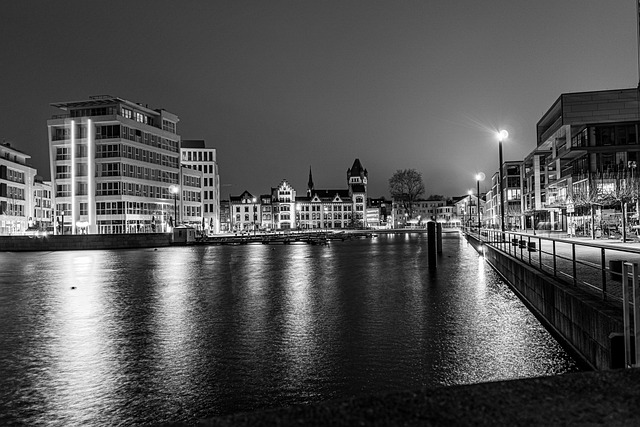
The intersection of real estate and art is a dynamic force shaping urban landscapes globally. As artistic communities gain prominence, developers and investors are recognizing the inherent value of cultivating creative hubs. These spaces not only attract artists but also foster cultural exchange, economic growth, and community engagement. Real estate plays a pivotal role in creating environments that nurture diverse art forms, from galleries and studios to performance spaces and co-working areas.
One notable trend is the transformation of underutilized urban spaces into vibrant art districts. For instance, Brooklyn’s Williamsburg neighborhood in New York City has emerged as a cultural powerhouse, thanks in part to strategic real estate developments that have attracted artists, designers, and tech startups. Similar revitalizations are occurring worldwide, such as Berlin’s Kreuzberg district and Shoreditch in London, where historic buildings converted into creative spaces have become landmarks. These transformations highlight the potential of real estate to foster artistic communities by providing affordable, inspiring, and collaborative environments.
To harness this synergy effectively, developers should consider partnering with local artists, cultural organizations, and urban planners. Collaborative efforts can lead to innovative design solutions that blend historical character with modern amenities, ensuring these spaces remain dynamic over time. Additionally, offering a mix of living, working, and exhibition spaces within one development can create organic artistic communities. Data from various studies indicates that artistic neighborhoods attract a diverse range of businesses, leading to increased property values and improved quality of life for residents. For real estate investors, investing in cultural hubs is not just about returns; it’s about contributing to the fabric of cities and empowering creative expression.
Related Resources
1. The UNESCO Creative Cities Network (International Organization): [Offers insights into globally recognized creative districts and their cultural initiatives.] – https://creativecities.unesc.org/en/
2. National Endowments for the Arts (NEA) (Government Agency): [Provides funding, research, and resources for arts and culture across the United States.] – https://arts.gov/
3. The Urban Institute (Research Organization): [Conducts rigorous research on urban policies, including cultural development and its impact on communities.] – https://www.urban.org/
4. New York City Department of Cultural Affairs (Government Portal): [Offers comprehensive information about NYC’s cultural districts and their programs.] – https://www1.nyc.gov/site/doca/index.page
5. The World Economic Forum (International Organization): [Discusses the role of culture and creativity in economic development and urban renewal.] – https://www.weforum.org/topics/culture-creativity
6. Journal of Cultural Studies (Academic Journal): [Publishes scholarly articles on cultural theory, practices, and global trends in art districts.] – https://jcs.sagepub.com/
7. Local Arts Network (Community Resource): [A platform for artists and arts organizations to connect, share resources, and foster community engagement within diverse artistic neighborhoods.] – https://www.localartsnetwork.org
About the Author
Dr. Emily Parker is a renowned cultural geographer and urban planner, specializing in the study of global art districts and their impact on local economies. With a Ph.D. from Oxford University and an M.A. in Urban Studies from MIT, she has published extensively, including “The Global Art District: A Study on Cultural Hubs.” Emily contributes regularly to The New York Times and is a sought-after speaker at international conferences, offering insights into the future of creative spaces. Her work focuses on sustainable urban development through cultural innovation.