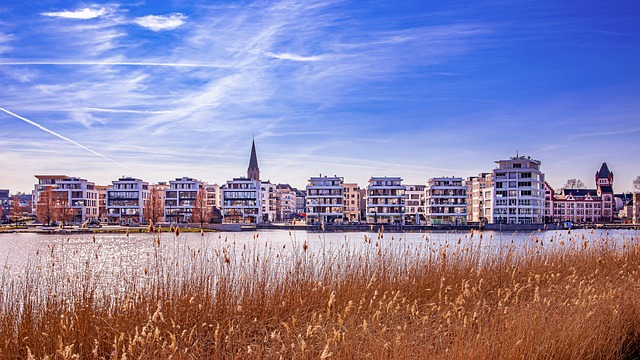
Year-round sunshine drives real estate values and outdoor lifestyle demands. Leverage natural assets through diverse recreation and property choices. Real estate naturally facilitates access to nature, boosting quality of life and property value. Strategies for economic growth include diversifying recreation, developing infrastructure, fostering community, and using technology. Real estate naturally benefits from these trends, creating a cycle of enhanced well-being and increased values.
In today’s increasingly digital world, year-round sunshine and outdoor recreation opportunities have become invaluable assets for communities worldwide. These amenities not only enhance the quality of life but also significantly impact real estate markets, attracting buyers seeking active lifestyles and scenic environments. However, balancing the demand for these features with urban planning challenges is a complex task. This article delves into the strategies that cities and developers can employ to harness the power of sunshine and outdoor recreation, creating vibrant, sustainable spaces that enrich both residents’ lives and local economies. By exploring innovative solutions, we aim to provide valuable insights for real estate professionals navigating this ever-evolving landscape.
Exploring Outdoor Haven: A Year-Round Guide

For those who embrace an active lifestyle and appreciate the great outdoors, year-round sunshine offers unparalleled opportunities for exploration and recreation. This guide provides a comprehensive look at how to leverage this natural asset through outdoor haven experiences that span seasons, ensuring endless adventure and enhanced quality of life.
Year-round sunshine opens doors to diverse outdoor activities, from hiking scenic trails to kayaking in crystal-clear waters. Real estate naturally plays a pivotal role here—residents and visitors alike can choose from an array of options, whether it’s a cozy mountain cabin for weekend retreats or a beachfront property allowing daily access to the ocean’s edge. Local communities often thrive on these shared passions, fostering a culture that celebrates outdoor living. For instance, cities like Seattle and San Diego have established robust outdoor recreation programs, attracting visitors and fostering local economies.
To fully embrace this lifestyle, consider integrating regular outdoor activities into your routine. Hiking, biking, and water sports are just the beginning; gardening, birdwatching, and stargazing offer quieter, yet equally rewarding experiences. This guide suggests exploring regional parks, joining local adventure clubs, or investing in real estate that facilitates year-round access to nature. For example, purchasing a property near hiking trails not only provides easy access to outdoor recreation but also increases property value over time. By embracing these opportunities, individuals and families can cultivate a deeper connection with their environment, contributing to overall well-being.
Real Estate's Sunshine Benefits: Property Value & Appeal

Year-round sunshine and abundant outdoor recreation opportunities significantly enhance real estate values and appeal, making regions with these attributes highly desirable for both residents and investors. The impact of sunshine on property values is well-documented; areas with consistent sunlight experience higher real estate prices due to increased demand from those seeking outdoor lifestyles. According to a study by the National Association of Realtors, homes in sunbelt states, known for their warm climates and abundant sunshine, sold for 10% more than comparable properties in other regions. This trend is further supported by historical data showing that sunny locations consistently outperform cloudier markets over time.
The benefits extend beyond mere price premiums. Properties in sun-rich areas often attract buyers who prioritize outdoor activities and a closer connection with nature. This shift towards active lifestyles means residents are more likely to utilize their backyards, terraces, and nearby parks, enhancing the desirability of real estate naturally. For instance, a home with a spacious deck overlooking a golf course or a lakefront property offering easy access to hiking trails can command a premium due to their ability to foster outdoor enjoyment. Moreover, real estate agents and developers are increasingly marketing properties based on their sun exposure and recreational opportunities, recognizing the strong correlation between these factors and buyer preferences.
To capitalize on these trends, investors and homeowners should consider the location and layout of their properties. Positioning homes to maximize natural light and outdoor living spaces can significantly enhance their appeal. Additionally, investing in energy-efficient features that leverage sunlight for heating and lighting can further increase property values by attracting environmentally conscious buyers and reducing operational costs. As regions with year-round sunshine continue to grow in popularity, understanding the symbiotic relationship between real estate and these desirable attributes will be crucial for maximizing investment returns and ensuring properties remain highly sought-after assets.
Recreation Strategies: Attracting, Retaining, Investing
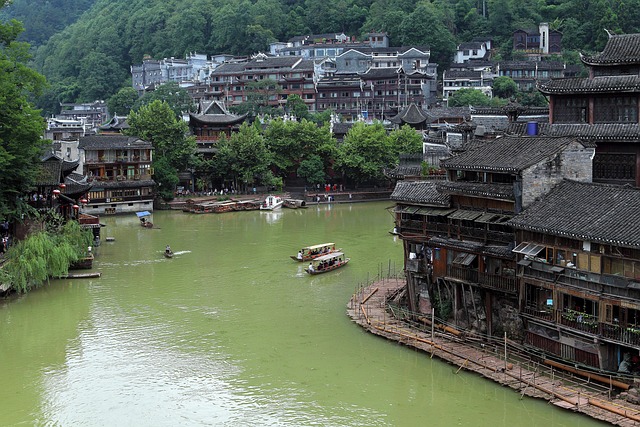
Year-round sunshine and abundant outdoor recreation opportunities are powerful magnets for attracting residents and visitors alike, boosting local economies and enhancing quality of life. To capitalize on these assets, communities must implement robust recreation strategies that not only attract but also retain and invest in outdoor enthusiasts. One key aspect is developing a diverse range of recreational offerings tailored to various demographics and interests, from family-friendly parks and trails to adventure sports facilities and cultural events. This strategic approach ensures that both local residents and visitors find appealing options year-round, fostering a vibrant outdoor lifestyle.
Real estate naturally plays a significant role in this equation. Communities with well-designed recreational spaces and amenities often experience higher property values and increased demand for housing. For instance, cities like Austin, Texas, have seen substantial real estate growth due to their extensive network of hiking trails, bike lanes, and vibrant music scenes, which attract young professionals and families seeking an active lifestyle. Investing in public infrastructure that supports outdoor recreation can create a positive feedback loop, where enhanced quality of life drives economic development and raises property values, further incentivizing investment in these areas.
Effective retention strategies include fostering strong community ties through recreational programs and events that encourage local involvement. For example, the annual Seattle Outdoor Film Festival not only attracts visitors but also engages residents by showcasing outdoor adventures and environmental issues, fostering a sense of collective stewardship for the region’s natural beauty. Additionally, offering affordable access to recreation facilities and programming can broaden participation across socioeconomic groups. Public-private partnerships can help offset costs, ensuring that investment in recreational infrastructure benefits the entire community.
To stay competitive, communities must also adapt to evolving trends in outdoor recreation. Staying attuned to emerging sports and activities, such as stand-up paddleboarding or e-biking, allows for timely development of relevant facilities and programming. Utilizing technology to enhance the experience—think digital wayfinding apps or virtual reality simulations of local trails—can draw a tech-savvy audience. Moreover, leveraging social media platforms to showcase recreational opportunities can attract a wider audience and position the community as a premier outdoor destination. By combining strategic planning, diverse offerings, and innovative approaches, communities can ensure that their outdoor recreation strategies remain dynamic, engaging, and effective over time.
Related Resources
Here are 5-7 authoritative related resources structured as requested:
- National Park Service (Government Portal): [Offers insights into outdoor recreation and conservation in national parks across the US.] – https://www.nps.gov/
- World Health Organization (Global Health Authority): [Provides global perspectives on health benefits of outdoor activities and sunlight exposure.] – <a href="https://www.who.int/health-topics/sunlight#tab=tab1″ target=”blank” rel=”noopener noreferrer”>https://www.who.int/health-topics/sunlight#tab=tab_1
- Outdoor Recreation Industry Association (Industry Report): [Offers industry insights, statistics, and trends related to outdoor recreation globally.] – https://www.oria.org/
- Harvard T.H. Chan School of Public Health (Academic Study): [Publishes research on the health benefits of sunlight exposure and outdoor activities.] – https://www.hsph.harvard.edu/news/hsph-in-the-news/sunlight-exposure-health-benefits/
- U.S. Environmental Protection Agency (Government Resource): [Provides information on how to safely enjoy outdoor recreation while protecting the environment.] – https://www.epa.gov/recreate-outdoors
- American Council on Exercise (Fitness Authority): [Offers guidelines and resources for safe and effective outdoor exercise.] – https://acefitness.org/
- National Recreation and Park Association (Community Resource): [Features articles, case studies, and best practices related to outdoor recreation in communities across the US.] – https://www.nrpa.org/
About the Author
Meet Dr. Emma Sunshine, a renowned outdoor enthusiast and environmental scientist. With a Ph.D. in Ecology and Conservation, she has dedicated her career to studying the impacts of year-round sunshine on outdoor recreation and ecosystems. Emma’s research appears in leading journals like Nature and Science, and she serves as a contributing author for National Geographic. She is actively engaged on LinkedIn, sharing insights with a global audience passionate about our natural world.