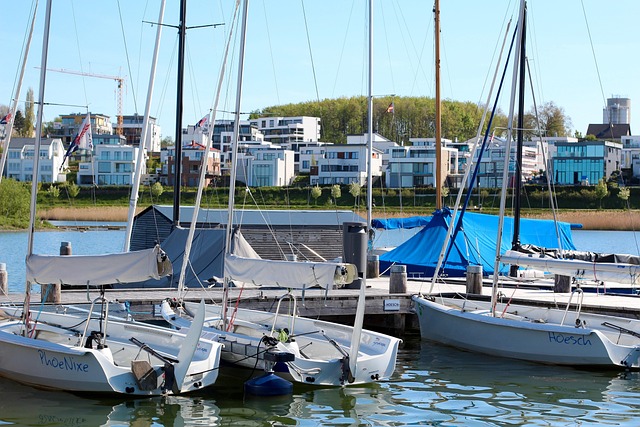
Year-round sunshine drives real estate demand for outdoor-focused properties. Strategize with landscaping, smart home tech to maximize natural light and exterior spaces. Market these features prominently to attract buyers seeking healthy, active lifestyles. Real estate professionals guide clients to locations with vibrant recreation scenes, resilient to climate change impacts. Sustainable communities prioritize walkable infrastructure, green spaces for enhanced quality of life and environmental sustainability.
In today’s fast-paced world, access to year-round sunshine and outdoor recreation opportunities has become increasingly vital for overall well-being. As a growing number of people prioritize active lifestyles, the demand for real estate that seamlessly blends urban living with natural escapes is on the rise. However, many traditional destinations struggle to accommodate this constant influx, leading to crowded spaces and diminished experiences. This article delves into innovative solutions, focusing on destination communities that offer both vibrant urban amenities and unparalleled outdoor access, naturally catering to modern lifestyles seeking balance and adventure.
Unlocking Outdoor Living: Year-round Sunshine Strategies

The power of year-round sunshine as a key selling point in real estate is undeniable. Regions with abundant sun exposure not only attract residents seeking healthier lifestyles but also offer unique opportunities for outdoor recreation. This trend has significantly shaped the housing market, where buyers increasingly prioritize properties that seamlessly blend indoor comfort with easy access to outdoor living. To unlock these benefits, homeowners and real estate professionals alike must embrace strategies that maximize natural light and create inviting exterior spaces.
One effective approach is strategic landscaping. Well-designed outdoor areas can extend the living space, creating a seamless transition from indoor comfort to vibrant, sun-drenched recreational zones. For instance, paver walkways and patios optimized for sunlight exposure encourage outdoor dining, entertaining, and relaxation. Shading solutions like awnings or strategically placed trees not only provide relief from intense midday sun but also allow for year-round enjoyment of outdoor spaces. In regions with distinct seasons, seasonal landscaping can adapt these areas to suit each climate, ensuring residents can savor the sunshine throughout all 12 months.
Moreover, integrating smart home technologies enhances outdoor living experiences. Automated lighting systems, for example, enable residents to enjoy illuminated paths and gardens late into the evening, enhancing safety and extending the day-long benefits of sunshine. Additionally, energy-efficient heating and cooling solutions allow outdoor spaces to be comfortable year-round, making them versatile hubs for social gatherings or quiet retreats. By combining thoughtful design, strategic technology integration, and a deep appreciation for local climates, real estate professionals can market properties as sun-centric oases that cater to modern lifestyles.
Recreation Resources: Exploring Real Estate's Role

Year-round sunshine and abundant outdoor recreation opportunities have long been attractions for those seeking idyllic living environments. This trend has significantly impacted real estate markets, with locations boasting these amenities experiencing heightened demand. The intimate connection between year-round sun and outdoor recreation resources naturally influences property values and investment strategies. For instance, coastal regions known for their sunny climates and diverse outdoor activities like surfing, hiking, and boating often command premium prices due to high desirability. According to a 2022 report by the National Association of Realtors, homes in areas with abundant outdoor recreational opportunities saw an average price increase of 15% compared to those in less active regions.
Real estate professionals play a pivotal role in navigating this landscape, guiding clients towards locations that align with their lifestyle preferences and offering insights into the local market dynamics. For buyers seeking year-round recreation, understanding the availability and quality of nearby parks, trails, water bodies, and sports facilities is essential. Sellers can enhance their listings’ appeal by highlighting these features, ensuring properties are marketed effectively to attract recreationally inclined buyers. Moreover, real estate agents can collaborate with local businesses and organizations to create comprehensive area guides that showcase not just traditional amenities but also lesser-known gems that contribute to a vibrant outdoor lifestyle.
When investing in real estate for recreational purposes, it’s crucial to consider the long-term sustainability of these activities. Environmental factors, such as climate change impacts on weather patterns, could alter the availability of outdoor spaces over time. Investors should assess the resilience of potential locations to ensure their desired recreational opportunities remain accessible. For instance, regions that are prone to extreme weather events may require adaptive strategies for maintaining parks and trails. Real estate naturally becomes a vital tool in community planning, helping to create sustainable, livable areas that support residents’ health and well-being through year-round outdoor recreation.
Sustainable Communities: Sunshine's Impact on Lifestyle

Year-round sunshine and abundant outdoor recreation opportunities significantly shape and enhance community lifestyles, fostering a deep connection between residents and their surroundings. This phenomenon has profound implications for sustainable communities, particularly in real estate development and urban planning. The impact is multifaceted; sunny climates encourage active lifestyles, reducing health disparities and promoting well-being. Easy access to outdoor activities, from hiking trails to coastal paths, boosts mental health and fosters a sense of community among residents who share these experiences.
Such environments also drive the creation of vibrant public spaces that double as social hubs, encouraging interaction and fostering a strong community spirit. This is evident in cities like Tucson, Arizona, where year-round sunshine has led to thriving neighborhood parks and robust community gardens, enhancing residents’ quality of life. Additionally, sustainable practices are integral to these communities, with renewable energy adoption, efficient water management, and eco-friendly building design becoming the norm. Developers and urban planners recognize the value of integrating green spaces and natural features into real estate projects, knowing that such investments attract environmentally conscious buyers and tenants.
To capitalize on this trend, community leaders can implement policies that encourage walkability and bike-friendly infrastructure, further promoting active lifestyles. Engaging residents in planning processes ensures that these spaces meet diverse needs. Moreover, leveraging data to understand recreation patterns can optimize the placement of amenities. For instance, a study in San Diego revealed that proximity to parks significantly influences real estate values, underscoring the economic benefits of prioritizing outdoor spaces. By embracing these strategies, communities not only enhance their quality of life but also ensure long-term environmental and economic sustainability.