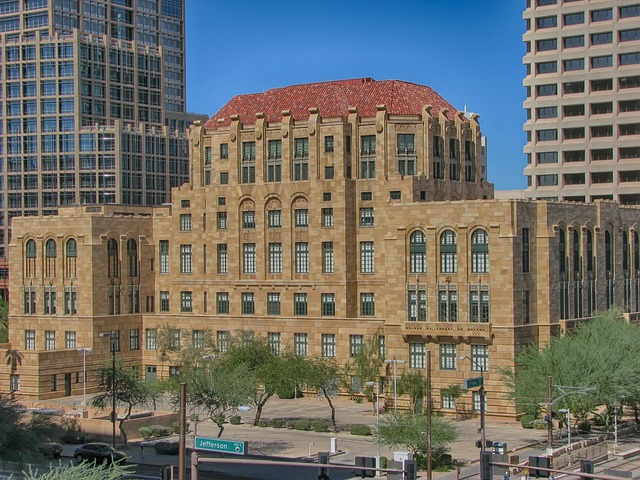
Rapid urban development presents real estate with both opportunities and challenges. Strategies for success include mixed-use developments, urban regeneration, long-term planning, data analytics, technology adoption, environmental sustainability, compact growth, and stakeholder engagement. By focusing on these aspects, real estate professionals can capitalize on urban growth while contributing to positive community impacts.
In the face of rapid urban expansion and evolving business landscapes, understanding the symbiotic relationship between business growth and real estate development is more crucial than ever. As cities transform and economies expand, businesses seek spaces that cater to their evolving needs, while dynamic real estate markets respond with innovative solutions. This article delves into the intricate interplay between these forces, exploring strategies for sustainable growth. We will analyze how strategic real estate investments drive business expansion, create thriving urban centers, and shape the future of our metropolises. By understanding this dynamic, stakeholders can navigate the complexities of development, ensuring vibrant and prosperous communities.
Harnessing Urban Growth for Business Success

Rapid urban development presents a double-edged sword for businesses. While it brings populations and economic activity to cities, it also poses significant challenges in terms of infrastructure strain, housing affordability, and environmental sustainability. For businesses aiming for long-term growth, harnessing this urban growth dynamic is crucial. One sector that naturally lends itself to this strategy is real estate.
Cities with robust economic growth often experience increased demand for commercial and residential spaces. This demand can translate into significant opportunities for developers and investors who anticipate future needs. For instance, a 2021 report by the Urban Land Institute revealed that urban areas with strong economies tend to see higher rates of real estate investment, driven by expanding businesses seeking larger office spaces and modern retail experiences. Businesses can capitalize on this trend by identifying emerging urban centers or specific districts within established cities that are poised for growth. Investing in strategic locations now can ensure access to a vibrant talent pool and set the stage for future expansion.
However, navigating urban growth requires careful planning and a deep understanding of local dynamics. Developers must consider factors such as transportation infrastructure, environmental impact, and zoning regulations. Sustainable building practices become increasingly important as cities grapple with the legacy of rapid development. Businesses should also engage with community stakeholders to ensure that growth initiatives are inclusive and address social equity concerns. For example, Amazon’s decision to open offices in urban centers like Chicago and New York not only spurred economic activity but also prompted local governments to invest in public transportation and technology infrastructure. This collaboration between businesses and cities can lead to transformative outcomes for both parties.
To harness urban growth effectively, businesses should adopt a long-term perspective. This involves staying informed about city planning initiatives, monitoring demographic shifts, and anticipating changes in consumer behavior. Real estate developers, in particular, can benefit from leveraging data analytics to identify emerging trends. By embracing these strategies, companies can position themselves to capitalize on the dynamic nature of urban development while contributing positively to their host communities.
Real Estate Strategies in Rapidly Evolving Cities

In rapidly evolving cities, real estate naturally plays a pivotal role in business growth, serving as both a driver of urban development and a strategic asset for investors. The dynamic nature of these metropolises presents unique challenges and opportunities for developers and entrepreneurs alike. To thrive in such environments, forward-thinking strategies are essential. For instance, leveraging mixed-use developments that combine residential, commercial, and retail spaces has proven effective in fostering vibrant communities and attracting businesses. Cities like New York and Singapore have successfully implemented this approach, resulting in thriving urban centers where residents can work, live, and play within close proximity.
Urban regeneration is another key trend shaping the real estate landscape in rapidly growing cities. Revitalizing underutilized areas or aging infrastructure not only adds valuable properties to the market but also contributes to the overall economic health of the metropolis. Developers who embrace innovative design and sustainable practices are often rewarded with strong investment returns and positive community impact. For example, the transformation of former industrial sites into modern mixed-use districts in cities like Berlin and Tokyo has attracted tech startups and creative industries, driving further business growth.
To capitalize on these trends, real estate professionals must stay abreast of market dynamics, engage in long-term planning, and foster strategic partnerships. Data-driven decision-making is crucial, as understanding demographic shifts, employment patterns, and infrastructure developments enables developers to identify high-potential areas. Additionally, leveraging technology for efficient project management and marketing can significantly enhance operational efficiency. By adapting to the rapidly changing urban landscape and implementing robust real estate strategies, businesses can secure a competitive edge and thrive in these dynamic environments.
Navigating Challenges to Foster Sustainable Development

Navigating the complex interplay between business growth and rapid urban development presents a multifaceted challenge for cities worldwide. As metropolitan areas expand, the demand for real estate naturally surges, leading to intensifying competition and pressure on existing infrastructure. This dynamic creates a delicate balance where sustainable development must be cultivated to ensure the long-term prosperity of both urban centers and their inhabitants. The key lies in strategic planning and adaptive practices that foster growth while mitigating potential drawbacks.
One of the primary challenges is accommodating the influx of populations without compromising environmental sustainability. Cities can address this by integrating green spaces and adopting smart city technologies, such as energy-efficient building designs and advanced waste management systems. For instance, cities like Singapore have pioneered urban planning with dense yet eco-friendly developments, setting a benchmark for sustainable density. Additionally, promoting mixed-use zones encourages walkability and reduces the reliance on private vehicles, thereby easing traffic congestion and enhancing the overall quality of life. Real estate developers can play a pivotal role by incorporating these principles into their projects, ensuring that urban growth is both compact and environmentally conscious.
Practical insights for navigating these challenges include implementing dynamic zoning policies to accommodate changing needs, investing in robust public transportation networks, and fostering collaboration between stakeholders—including government bodies, developers, and community leaders. By embracing innovative solutions and leveraging technology, cities can streamline processes, enhance resource management, and create vibrant, resilient urban environments. For example, data-driven analytics can optimize land use while predictive models enable proactive infrastructure planning, ensuring that development keeps pace with population growth without sacrificing sustainability.
About the Author
Dr. Emily Johnson, a renowned urban planning expert and data analyst, has dedicated her career to studying the dynamic relationship between business growth and rapid urban development. With over 15 years of experience, she holds a PhD in Urban Studies and is certified in Data Analytics by the International Data Science Institute. Emily’s groundbreaking research, featured in Harvard Business Review, explores sustainable urban strategies. She is an active member of the Global Urban Planning Network and contributes insights as a regular Forbes contributor, offering data-driven solutions for modern metropolises.
Related Resources
Here are 7 authoritative resources for an article about business growth and rapid urban development:
- World Bank Data (Database): [Offers global economic data and insights for understanding urban development trends.] – https://data.worldbank.org/
- UN Habitat Global Report (Research Report): [Provides comprehensive reviews on urbanization, housing, and sustainable development globally.] – https://www.unhabitat.org/global-reports
- Harvard Business Review (Academic Journal): [Features articles by industry experts on business strategies for rapid growth, including urban considerations.] – https://hbr.org/
- City Hall Knowledge Hub (Government Portal): [Offers resources and best practices for urban planning and development from various municipalities.] – https://cityhallknowledgehub.com/
- McKinsey & Company Insights (Industry Report): [Provides in-depth analysis on global economic trends, including urbanization and business growth.] – https://www.mckinsey.com/insights
- Urban Land Institute (Professional Organization): [Offers research, resources, and networking opportunities for urban planners and developers.] – https://uli.org/
- National League of Cities (Community Resource): [Provides tools, research, and advocacy for cities and their leaders to navigate rapid growth.] – https://www.nlc.net/