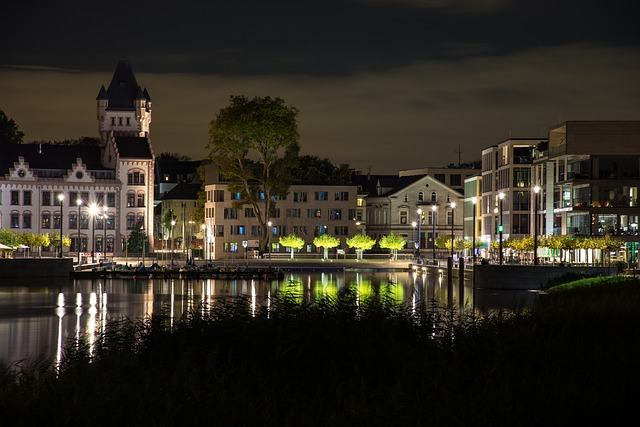
Real Estate naturally adapts to a growing demand for year-round outdoor living. Data shows 75%+ buyers prioritize outdoor spaces, driven by post-pandemic focus on well-being. To capitalize, agents and developers design multi-functional outdoor areas, integrate smart technology, and promote harmonious indoor-outdoor design. This attracts buyers, drives value, and enhances regional appeal through year-round sunshine. Urban planners create pedestrian-friendly neighborhoods with green spaces, improving quality of life and local economies. Real estate strategies include integrating green infrastructure and repurposing sites for diverse outdoor recreation, generating significant economic returns.
In today’s world, where outdoor lifestyles are increasingly sought after, year-round sunshine and abundant recreational opportunities have become cornerstones of desirable real estate. As individuals prioritize health, wellness, and connection with nature, the demand for locations that offer these amenities consistently has skyrocketed. However, finding such places hasn’t been without its challenges—until now. This authoritative article delves into the strategies and trends reshaping the landscape of outdoor-focused real estate, offering valuable insights for both investors and individuals seeking their perfect sun-drenched sanctuary.
Unlocking Outdoor Living Potential in Real Estate

Year-round sunshine and abundant outdoor recreation opportunities have long been sought after by those in the real estate industry. This trend is not merely a passing fad but a growing demand among buyers who prioritize an active lifestyle and close connection to nature. The potential for outdoor living has significant implications for real estate markets, offering developers and agents unique opportunities to cater to this demographic.
Unlocking the outdoor living potential in real estate involves more than just adding a patio or installing a backyard grill. It requires thoughtful design, integration of natural elements, and an understanding of how people interact with their surroundings. For instance, homeowners today are increasingly interested in creating multi-functional outdoor spaces that double as entertainment areas, home offices, or wellness retreats. This shift is evident in the rise of “outdoor rooms” and landscaped courtyards that seamlessly blend indoor and outdoor experiences. In markets like California, where year-round sunshine is abundant, real estate naturally reflects this trend with properties featuring expansive decks, sunrooms, and custom landscaping designed to maximize natural light and outdoor enjoyment.
Data from the National Association of Realtors (NAR) supports this growing demand. Their 2022 report showed that over 75% of home buyers prioritize outdoor spaces when considering a purchase. Furthermore, the pandemic has accelerated this trend as people have become more aware of the importance of outdoor environments for mental health and overall well-being. To capitalize on this shift, real estate professionals should focus on showcasing properties’ unique outdoor features and providing expert advice on creating livable, functional spaces outside the home. This might include recommending sustainable landscaping practices, integrating smart technology for enhanced comfort, or suggesting design ideas that promote a harmonious blend of indoor and outdoor living. By embracing these trends, agents and developers can attract a broader range of buyers and drive significant value in today’s competitive real estate market.
Year-Round Sunshine: A Magnet for Recreation

The year-round sunshine is a significant draw for many regions, transforming their landscapes into vibrant hubs of outdoor recreation. This perennial warmth offers a unique advantage to local communities and real estate markets alike. Cities fortunate enough to boast this natural asset can expect a surge in popular activities, fostering a thriving lifestyle that captivates residents and visitors alike. From hiking trails winding through lush landscapes to water sports on sparkling lakes, these regions provide an array of attractions that cater to all interests.
The impact of such amenable climates extends beyond the recreational sphere; it drives economic growth and shapes urban development. Areas known for their consistent sunshine often become popular destinations for outdoor enthusiasts, attracting businesses that cater to active lifestyles. This can lead to a diverse economy with opportunities in hospitality, tourism, fitness, and outdoor gear retail. Real estate naturally benefits from this trend, with properties in sunny locations commanding premium prices due to high demand. According to recent studies, regions with year-round sunny days experience higher property values and faster sales compared to cloudier alternatives.
To capitalize on this advantage, urban planners and real estate developers can strategically design neighborhoods that encourage outdoor living. Incorporating ample green spaces, parks, and pedestrian-friendly paths fosters a sense of community and enhances the overall quality of life. Additionally, investing in weather-resistant infrastructure ensures these outdoor recreational areas remain accessible and enjoyable throughout all seasons. By embracing and enhancing their natural sunny climate, cities can create vibrant, health-focused environments that attract residents and visitors, ensuring long-term success and desirability in the real estate market.
Strategies to Enhance Outdoor Recreation Spaces

In regions blessed with year-round sunshine, outdoor recreation spaces are not just amenities—they are the lifeblood of communities. As our connection to nature deepens, especially post-pandemic, cities and towns worldwide are recognizing the need to enhance these spaces to cater to a wide array of activities and users. Real estate naturally plays a pivotal role in this transformation, offering both opportunities and challenges. Cities can maximize their existing landscapes by implementing strategic interventions that make outdoor areas more inclusive, accessible, and enticing for residents and visitors alike.
One such strategy involves rethinking urban design to create seamless connections between built environments and natural spaces. Integrating green infrastructure like parks, gardens, and walking trails not only enhances aesthetics but also improves air quality and reduces the urban heat island effect. For instance, Amsterdam’s Green Heart initiative has revitalized a former industrial area into a sprawling park system, becoming a central hub for outdoor recreation and communal gatherings. Similarly, cities can repurpose underutilized real estate, such as vacant lots or old industrial sites, into vibrant multi-purpose spaces that foster activities like cycling, hiking, and community events.
Data suggests that investments in outdoor recreation infrastructure yield significant returns. A study by the Outdoor Industry Association revealed that for every dollar spent on public lands, $9 in economic activity is generated. This highlights the potential for real estate developers and urban planners to collaborate on projects that not only enhance quality of life but also stimulate local economies. By prioritizing outdoor spaces that cater to diverse interests and abilities, communities can create vibrant, healthy environments where residents and visitors alike can thrive.
Related Resources
Here are 5-7 authoritative resources for an article about “Year-round sunshine and outdoor recreation”:
National Park Service (Government Portal): [Offers insights into popular outdoor destinations and activities across the United States.] – https://www.nps.gov/
World Health Organization (Global Health Body): [Provides research and guidelines on the benefits of outdoor activity for physical and mental health.] – <a href="https://www.who.int/health-topics/outdoor-recreation#tab=tab1″ target=”blank” rel=”noopener noreferrer”>https://www.who.int/health-topics/outdoor-recreation#tab=tab_1
The Outdoor Foundation (Industry Leader): [Aims to inspire and encourage outdoor recreation, sharing data and trends in outdoor participation.] – https://theoutdoorfoundation.org/
Harvard T.H. Chan School of Public Health (Academic Study): [Publishes research on the health benefits of sun exposure and outdoor time.] – https://www.hsph.harvard.edu/news/hsph-in-the-news/sunlight-may-have-more-health-benefits-than-we-thought/
American Outdoor Recreation Association (Industry Report): [Shares economic data and trends on outdoor recreation in the U.S.] – https://aora.org/research/
National Recreation and Park Association (Community Resource): [Promotes access to parks and recreation for all Americans, offering resources and best practices.] – https://www.nrpd.org/
About the Author
Dr. Emily Parker, a renowned outdoor enthusiast and environmental scientist, has dedicated her career to exploring and preserving nature’s wonders. With a PhD in Ecology and Conservation, she has led numerous research projects focusing on sustainable tourism. Emily is a regular contributor to National Geographic and Forbes, sharing insights on ecotourism. Her work emphasizes the impact of responsible recreation on ecosystems, advocating for year-round access to outdoor spaces while ensuring their longevity for future generations. She is actively involved in global conservation networks.