Ranching, deeply embedded in many regions' cultural heritage, has evolved into a significant economic driver, especially in the West. Ranchers manage vast publicly held lands for livestock grazing, contributing to conservation and biodiversity preservation while generating revenue from agricultural and residential properties through real estate. As land values rise, policymakers must promote sustainable ranching practices through partnerships and public-private initiatives to preserve open spaces and ensure these traditions thrive alongside conservation efforts. Modern trends show renewed interest from urban dwellers seeking rustic lifestyles, boosting Real Estate markets in former ranch lands, posing challenges that require sustainable development practices to balance economic growth with natural resource preservation.
The enduring ranching tradition, deeply rooted in many regions’ economies and cultures, faces evolving challenges in the modern era. As land use changes and real estate pressures mount, preserving this way of life demands a nuanced understanding of economic interdependencies. This article delves into the intricate relationship between economic forces and ranching heritage, offering insights that are both timely and essential for stakeholders navigating these complexities. By exploring practical strategies and policy implications, we aim to facilitate informed decision-making, ensuring the sustainability of ranching communities while managing dynamic land use landscapes.
Exploring Ranching's Economic Impact on Land Use

Ranching, deeply rooted in the cultural fabric of many regions, has evolved into a significant economic force, shaping land use patterns and driving regional development. The economic ties between ranching traditions and real estate are intricate, with far-reaching implications for both rural and urban areas. This relationship is particularly evident in the West, where vast expanses of publicly held lands have historically supported extensive livestock grazing. Over time, these practices have led to a unique interplay between conservation, land stewardship, and economic viability.
The impact of ranching on land use is multifaceted. Ranchers play a crucial role in managing and conserving rangelands, ensuring their long-term productivity for both agricultural and ecological purposes. Through sustainable livestock management, they contribute to the preservation of biodiversity and habitat diversity, which are essential for ecosystem resilience. For instance, controlled grazing can enhance vegetation growth by dispersing seeds and fostering a balanced ecosystem. Additionally, ranching activities generate revenue from real estate, including both farmland and residential properties. Many ranchers have diversified their operations, offering recreational opportunities like hunting and fishing on their lands, further expanding their economic reach.
As land values continue to rise, especially in areas with strong ranching traditions, it is crucial for policymakers and land managers to consider the long-term sustainability of these practices. Encouraging partnerships between ranchers and conservation organizations can help navigate potential conflicts over land use. For example, public-private initiatives focused on sustainable ranching practices can preserve open spaces while providing economic incentives for landowners. By promoting responsible stewardship and recognizing the value of ranching in shaping landscapes, we can ensure that these traditions thrive economically while conserving the natural resources that define them.
Real Estate: The Backbone of Ranching Operations
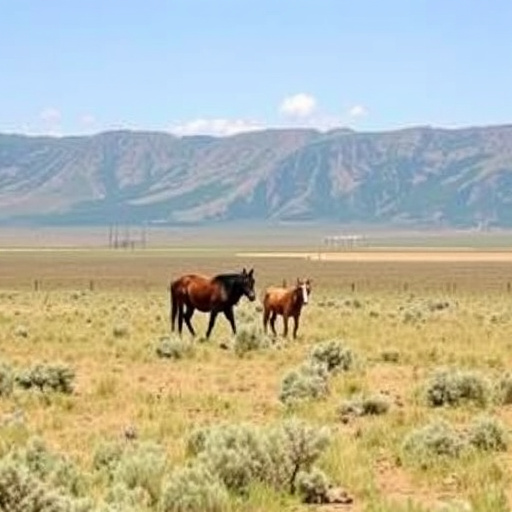
Ranching, an enduring tradition deeply rooted in many regions, relies heavily on robust economic ties to sustain its practices. At the heart of these operations lies a crucial element: real estate. The vast expanses of land, encompassing diverse ecosystems from lush grasslands to arid plains, are not merely backdrops; they are the backbone of ranching, providing both opportunities and challenges.
Real estate plays a multifaceted role in shaping the economic landscape of ranching. For one, it serves as a critical source of revenue through sales and leases. Ranchers often invest significantly in acquiring and developing land, understanding its value as a productive asset. The size and quality of these properties can greatly influence the financial stability of operations, with premium real estate commanding substantial market prices. Consider the Western United States, where ranches spanning hundreds of acres fetch millions of dollars due to their potential for livestock grazing, agriculture, and conservation efforts.
Moreover, strategic real estate management enables ranchers to mitigate risks and optimize returns. Diversifying land uses such as crop cultivation, wilderness preservation, or ecotourism ventures can enhance the long-term viability of ranching operations. For instance, a rancher in Montana might convert a portion of their land into a wildlife refuge, attracting researchers and nature enthusiasts while ensuring a steady income stream independent of traditional livestock farming. This diversification not only adapts to changing economic conditions but also fosters a more sustainable and resilient ranching tradition.
Historical Ties: Ranching and Community Development
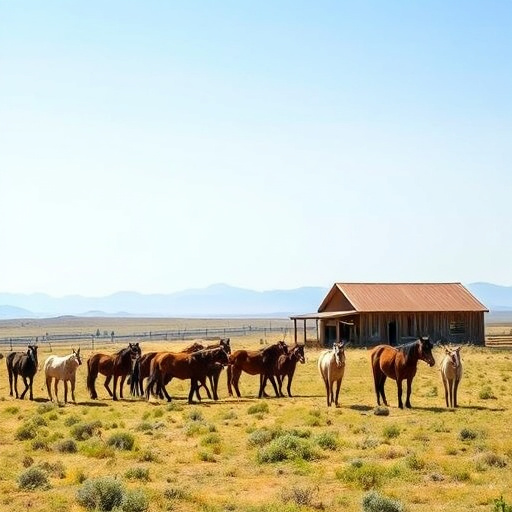
Ranching has been an integral part of many communities’ historical fabric, serving as a cornerstone for economic development and social structure. The tradition’s deep roots are intertwined with the growth and evolution of various regions, particularly in rural areas. Historically, ranching facilitated community development by providing employment opportunities, fostering a sense of collective responsibility, and contributing significantly to local Real Estate markets.
The relationship between ranching and community is symbiotic. Ranches often act as catalysts for settlement, attracting families and individuals seeking agricultural livelihoods. As communities grow around ranching activities, they naturally develop essential infrastructure, such as schools, stores, and transportation networks, which enhance the area’s appeal and marketability. This dynamic has been observed in numerous regions across the globe, from the vast prairies of North America to the expansive plains of Australia. For instance, in the American West, many towns emerged alongside ranches, with businesses catering to the needs of ranchers, creating a thriving local economy.
Over time, these communities have developed diverse economies while preserving their ranching heritage. Today, many former ranch lands are seeing renewed interest from urban dwellers seeking a more rustic lifestyle, further strengthening the Real Estate market in these areas. This trend presents both opportunities and challenges for local stakeholders. To navigate this change successfully, community leaders must prioritize sustainable development practices, ensuring that the region’s natural resources and cultural legacy are preserved while embracing new economic ventures aligned with its historical ties to ranching.