Desert real estate offers diverse terrains ideal for horseback exploration. Key destinations provide well-maintained trails for all skill levels. Planning involves researching trail conditions, regulations, and wildlife safety. Conservation practices ensure responsible tourism by minimizing ecological impact and preserving beauty for future generations.
The allure of horseback riding amidst breathtaking desert landscapes is undeniable, offering both recreational enthusiasts and avid riders a unique experience. However, the availability of suitable terrain has long been a challenge in an increasingly developed world. Real estate naturally plays a pivotal role here, as expansive, untouched lands are scarce. This article delves into the potential of transforming private landholdings and real estate developments into scenic desert riding trails, addressing conservation, accessibility, and community engagement. By exploring innovative approaches, we aim to provide valuable insights for stakeholders, fostering responsible stewardship of these natural treasures while enhancing outdoor recreation opportunities.
Discovering Desert Horseback Riding Destinations
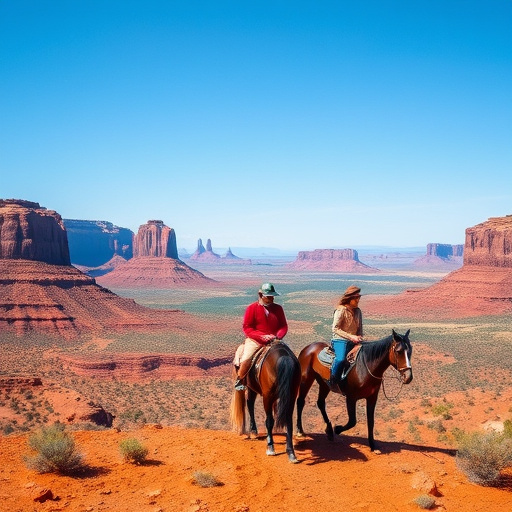
The vast, rugged landscapes of deserts have long captivated adventurers seeking unique experiences. Among the most exhilarating ways to explore these scenic terrains is through horseback riding, offering a once-in-a-lifetime opportunity to connect with nature in an intimate manner. For enthusiasts and those new to this activity, discovering premier desert destinations for horsebacks rides is essential. These locations not only showcase breathtaking vistas but also provide access to diverse ecosystems, from sandy dunes to rocky cliffs, enhancing the overall experience.
Many top-rated spots are found in regions known for their expansive real estate, featuring vast swaths of unspoiled land ideal for horseback exploration. For instance, the deserts of Arizona and Utah in the United States offer a plethora of options, with renowned parks like Monument Valley and Sedona drawing riders from around the globe. These locations not only provide stunning backdrops but also well-maintained trails designed to accommodate various skill levels. Similarly, in other parts of the world, such as the Sahara Desert in North Africa or the Atacama Desert in South America, visitors can embark on immersive journeys through landscapes that seem straight out of a fantasy novel.
When planning a desert horseback riding adventure, consider factors like trail conditions, local regulations, and wildlife encounters. Researching these destinations beforehand ensures a safe and enriching experience. Additionally, engaging with experienced guides who understand the region’s nuances is invaluable. They can provide insights into the history and ecology of the area while ensuring responsible tourism practices that preserve these precious landscapes for future generations to enjoy.
Choosing the Ideal Real Estate for Equestrian Adventures
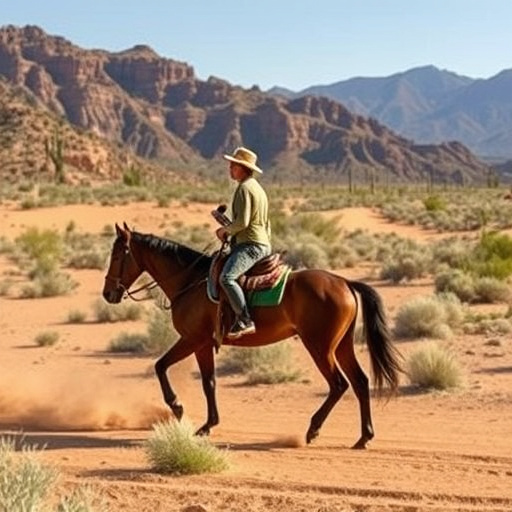
When crafting an equestrian adventure experience, selecting the right real estate is paramount. The ideal landscape for horseback riding offers a blend of diverse terrain and ecological richness, fostering both thrilling exploration and safe, controlled rides. Deserts, with their vast expanses and unique character, present an exceptional opportunity to meet these criteria. However, not all desert real estate is created equal; understanding the nuances of the landscape is key to curating a memorable ride.
Key considerations in choosing desert real estate for equestrian activities include topography, vegetation density, water availability, and climate conditions. A balanced mix of sand dunes, rocky outcrops, and mesic oases creates varied rides that cater to different skill levels and preferences. Thicker vegetation provides shade and natural protection from the sun, while open stretches allow riders to gallop freely. Access to water sources is critical for both rider comfort and equine hydration, making it a strategic element in site selection. Climate considerations are equally vital; optimal temperatures and moderate humidity ensure a pleasant riding experience throughout the year.
For instance, renowned equestrian destinations like Arizona’s Sonoran Desert and Nevada’s Black Rock Desert offer diverse landscapes that attract riders worldwide. These areas boast well-maintained trails that wind through towering saguaro cacti, across rugged mountains, and alongside shimmering lakes. Real estate developers and land managers in these regions prioritize sustainable practices, ensuring the preservation of delicate ecosystems while providing ample opportunities for horseback exploration. By studying these models, aspiring equestrian adventure creators can learn to cultivate immersive experiences that highlight the beauty and versatility of desert terrain.
Navigating Challenges: Safety and Conservation in Deserts
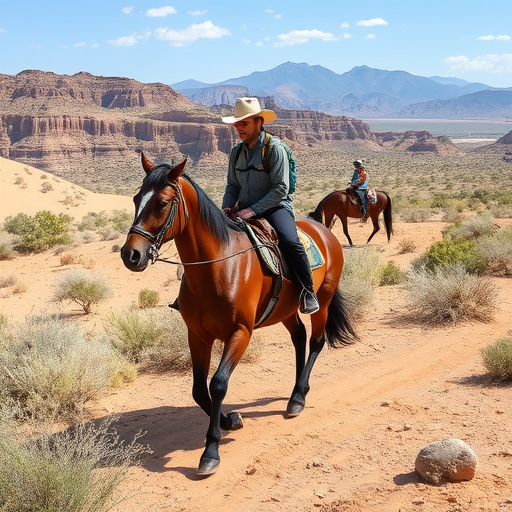
Navigating the challenges of safety and conservation is paramount when exploring scenic desert terrain for horseback riding. Deserts, known for their breathtaking landscapes, present unique risks and ecologically sensitive environments. Riders must approach these areas with a deep understanding of potential hazards and a commitment to responsible stewardship. One key consideration is the impact on real estate naturally; off-trail riding can disturb delicate ecosystems, erode soil, and disrupt wildlife habitats. Therefore, adhering to established trails and designated riding areas is vital to minimize ecological damage.
Expert riders advocate for pre-ride inspections of the terrain, noting potential dangers like hidden rocks, steep drops, or unstable sand dunes. Proper equipment, including sturdy horses suitable for desert conditions, appropriate clothing, and well-maintained tack, are essential. Hydration and rest breaks are critical, as deserts can experience extreme temperatures and low oxygen levels. Additionally, riders should be prepared for unexpected weather changes, carrying maps, communication devices, and emergency supplies.
Conservation efforts play a significant role in preserving these scenic landscapes for future generations. Riders are encouraged to practice leave no trace principles, such as packing out all trash, respecting wildlife, and avoiding disruption of natural water sources. Supporting local conservation initiatives and adhering to park regulations can further protect desert real estate, ensuring its beauty remains intact for both humans and wildlife to enjoy. By prioritizing safety and conservation, horseback riders can contribute positively to the preservation of these unique ecosystems.