
Real estate near outdoor recreational facilities in "Sunshine States" like Florida, California, and Texas reflects a growing trend towards active lifestyles. Strategic planning and local knowledge are crucial for discovering these gems. Year-round sunshine and recreation significantly impact community health, driving real estate markets and fostering positive feedback loops that enhance overall community vitality. Integrating outdoor recreation into community design creates desirable, healthy living environments that attract residents and increase property values.
In today’s world, where outdoor experiences are increasingly sought after, year-round sunshine and abundant recreational opportunities have become paramount for many. This shift towards nature-centric lifestyles has significant implications for real estate naturally, as communities with accessible green spaces and vibrant outdoor scenes gain immense appeal. However, the challenge lies in balancing urban development with preserving these essential amenities. This article delves into exploring strategies that can enhance outdoor recreation while ensuring sustainable growth in sunny locales, providing valuable insights for both residents and real estate professionals alike.
Exploring Outdoor Adventures Year-Round

The allure of year-round sunshine and abundant outdoor recreation opportunities has long drawn individuals seeking an active lifestyle to specific regions. This trend is not merely a preference but a growing movement, with many professionals and families recognizing the health benefits and overall well-being that come from being in nature consistently. Real estate naturally plays a pivotal role in this narrative, as it offers the physical space to embrace these outdoor adventures daily.
Regions blessed with consistent sunshine throughout the year present unique opportunities for year-round outdoor recreation. For instance, areas like Southern California, known for its mild climate, offer surfing in the summer and snowboarding in the winter. This versatility not only attracts outdoor enthusiasts but also influences real estate markets, where properties with easy access to such activities command premium prices. According to a recent study, homes within 5 miles of recreational facilities experience higher resale values, indicating a strong correlation between outdoor accessibility and property desirability.
Exploring these outdoor adventures requires strategic planning and local knowledge. For those seeking to immerse themselves in nature, consulting with real estate professionals who understand the region’s unique offerings is essential. Whether it’s hiking trails that wind through scenic landscapes or water sports on pristine lakes, every location has its gems waiting to be discovered. By aligning with a knowledgeable agent, individuals can find properties not just as investments but as gateways to a vibrant, outdoor-centric lifestyle. This approach ensures that the real estate experience is more than just transactional; it becomes a catalyst for a healthier, happier life.
Sunshine States: Real Estate Hotspots Revealed

The allure of year-round sunshine and abundant outdoor recreation opportunities has long drawn people to specific regions, fueling real estate markets in what are commonly known as “Sunshine States.” These states offer not just pleasant climates but also a high quality of life, making them attractive destinations for both permanent residents and second homeowners. According to recent data from the National Association of Realtors, states like Florida, California, and Texas consistently rank among the top for real estate activity, with strong demand driven by both local buyers and out-of-state investors.
Florida, often dubbed “The Sunshine State,” has long been a favorite due to its warm climate, beautiful beaches, and affordable housing compared to neighboring coastal states. Cities like Miami and Orlando have seen significant real estate growth, attracting young professionals and families alike. California, with its diverse landscapes ranging from surf-friendly coastlines to snow-capped mountains, offers a wide array of outdoor recreational opportunities. Coastal cities like San Diego and Los Angeles remain popular for their mild year-round weather, while areas like Lake Tahoe have become hubs for outdoor enthusiasts seeking winter sports. Texas, known for its vast open spaces and friendly communities, has seen real estate booms in cities like Austin and Dallas, which offer a mix of urban amenities and natural beauty.
When considering purchasing real estate in these hotspots, it’s crucial to research local markets, understand pricing trends, and engage with knowledgeable real estate agents who can provide insights into specific neighborhoods. Additionally, buyers should consider factors beyond just the climate—access to quality schools, healthcare facilities, and community amenities significantly impact the overall desirability and value of a location. By carefully evaluating these aspects, prospective homeowners can make informed decisions, ensuring they secure not just a property but a place that aligns with their lifestyle aspirations and offers long-term investment potential.
Healthy Living: Recreation's Impact on Communities
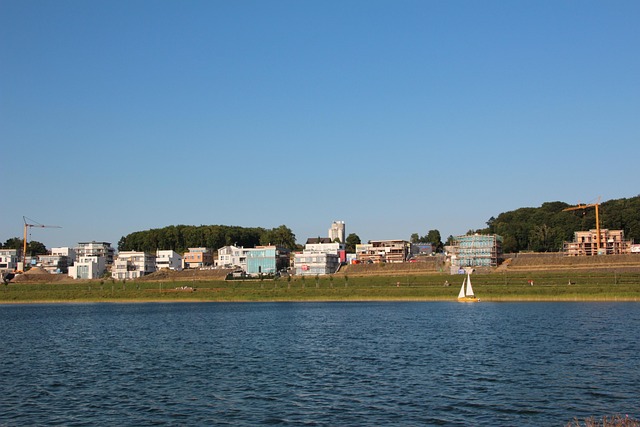
Year-round sunshine and abundant outdoor recreation opportunities significantly influence community health and well-being, with a profound impact on real estate markets. Communities blessed with such amenities often experience higher rates of physical activity, improved mental health, and stronger social connections. Outdoor activities like hiking, biking, and water sports not only foster active lifestyles but also create economic vibrancy through tourism and local businesses supporting these recreational activities.
The relationship between outdoor recreation and community vitality is well-documented. According to a study by the U.S. Department of Health and Human Services, regular physical activity in natural settings can reduce stress, anxiety, and depression, contributing to overall improved health outcomes. This trend is evident in communities with easy access to parks, trails, and other recreational facilities. For instance, cities like Seattle and Portland, known for their lush green spaces and active lifestyles, consistently rank highly in happiness and health indices.
Real estate developers and urban planners play a pivotal role in cultivating these benefits. By integrating outdoor recreation into community design, they can create desirable, healthy living environments. This includes developing mixed-use neighborhoods with parks, trails, and green spaces as integral parts of the infrastructure. Such planning not only attracts residents seeking active lifestyles but also increases property values, as studies show that homes near parks and recreational areas often command higher prices. Moreover, these communities tend to attract a younger, healthier demographic, fostering a positive feedback loop that enhances overall community vitality.